
WhatsApp Image 2026-01-23 at 21.25.10

The Discipline of Pausing Before You Build – A Must Read!

Hello to our thoughtful readers,

Today’s piece is about the quiet foundation that true growth is built upon. We invite you to read it slowly, to reflect with us, and to consider the often unseen work that makes visible success possible.

In many projects, progress is measured by how fast something rises from the ground. In agriculture, however, the most important work often happens when nothing is yet visible.

There is a quiet discipline in choosing to pause, to observe, and to ask difficult questions before acting. Questions about water flow. Soil behaviour. Pressure points. Risks that only appear over time. These questions do not produce instant results, but they shape everything that follows.

At CV Holdings, some of our most critical work has not involved planting, construction, or machinery. It has involved listening. Walking the land. Studying how water behaves after rain. Consulting engineers not to build immediately, but to understand. This kind of restraint is rare, yet it is what separates activity from progress.

Modern agriculture often rewards speed. But systems built in haste tend to fail quietly and expensively. Waterlogged fields, collapsing drainage, inefficient layouts. These failures usually trace back to one thing: decisions made too early, without enough understanding.

True agricultural leadership is not loud. It is methodical. It values foresight over appearance and long-term stability over short-term excitement. It recognises that every choice made before planting carries consequences for seasons to come.

What many people never see is that sustainable farming is less about reacting and more about anticipating. Less about force and more about alignment with natural systems. When water is understood, land responds. When land is respected, effort multiplies.

Sometimes the most responsible thing a project can do is slow down long enough to get it right.

And when the foundation is right, the land does not resist. It works with you.
CV Holdings farm gallely

Before We Plant, We Listen to Water

Most people think farming begins with land clearing, seeds, or fertiliser.
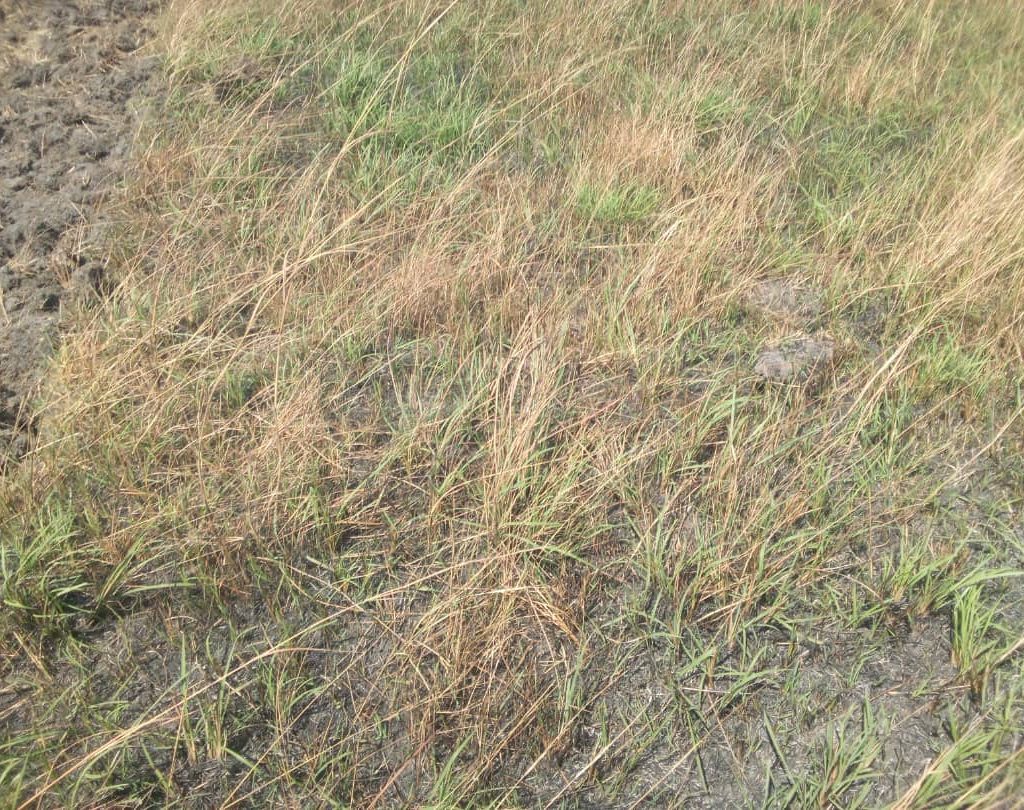
At CV Holdings, we have learned that farming begins much earlier than that. It starts with water.

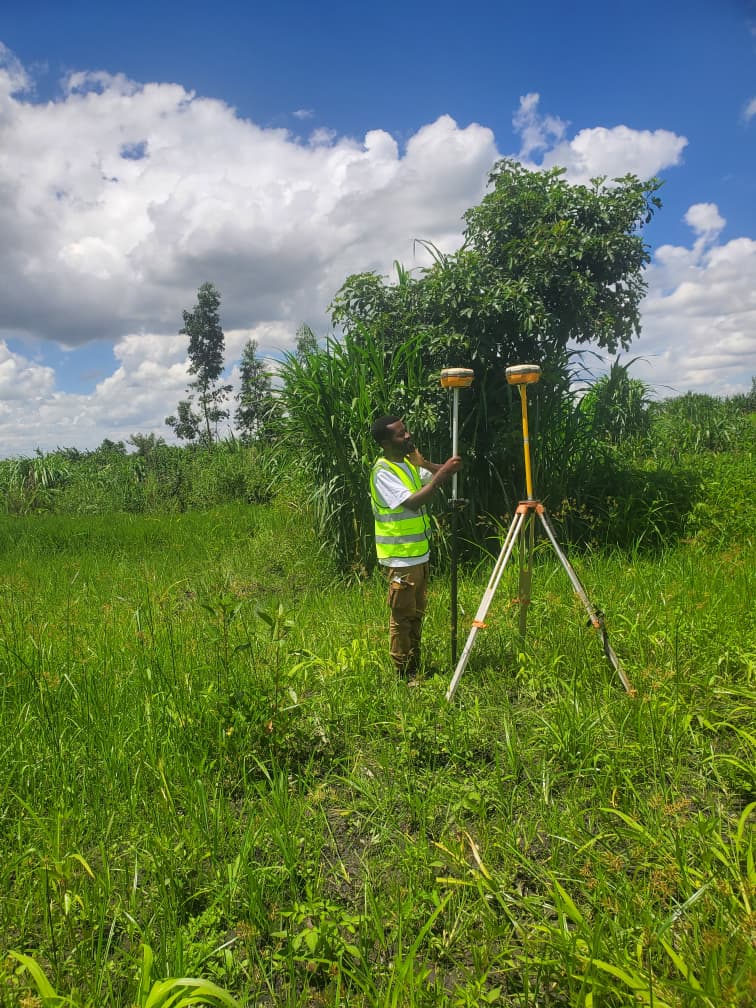
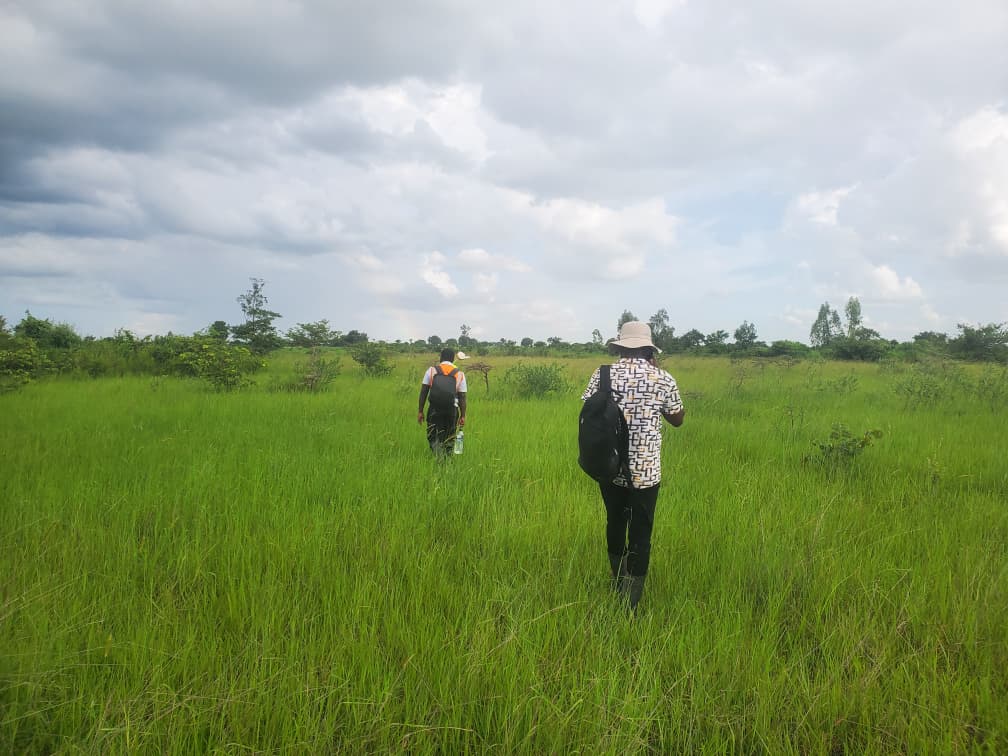
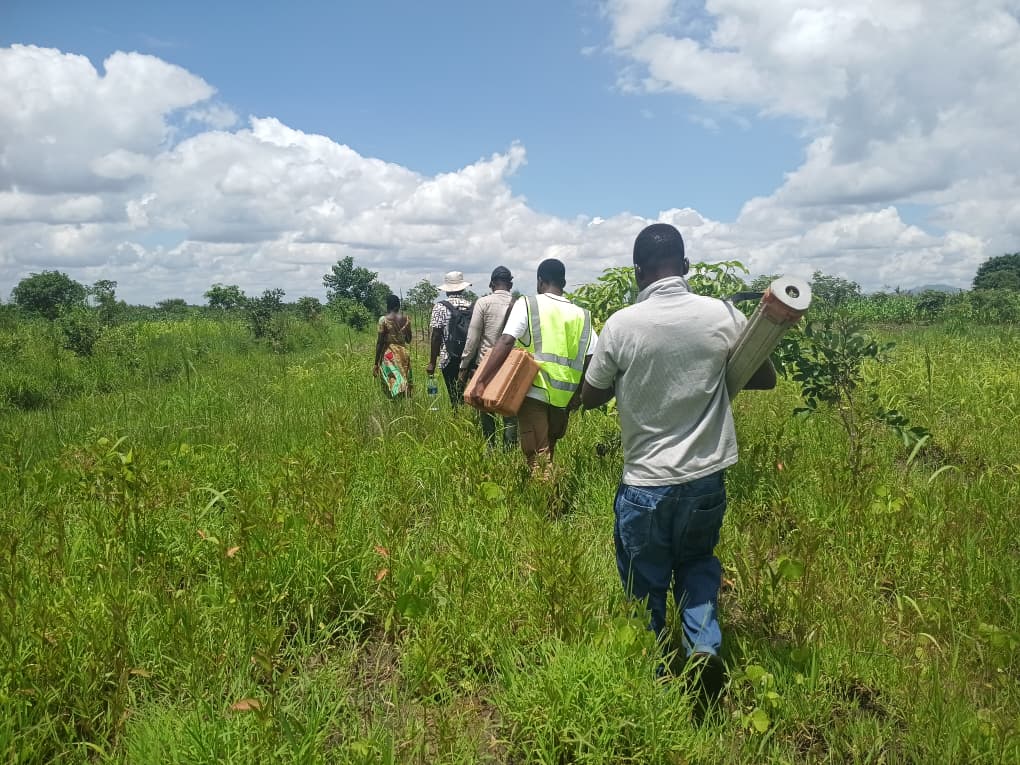
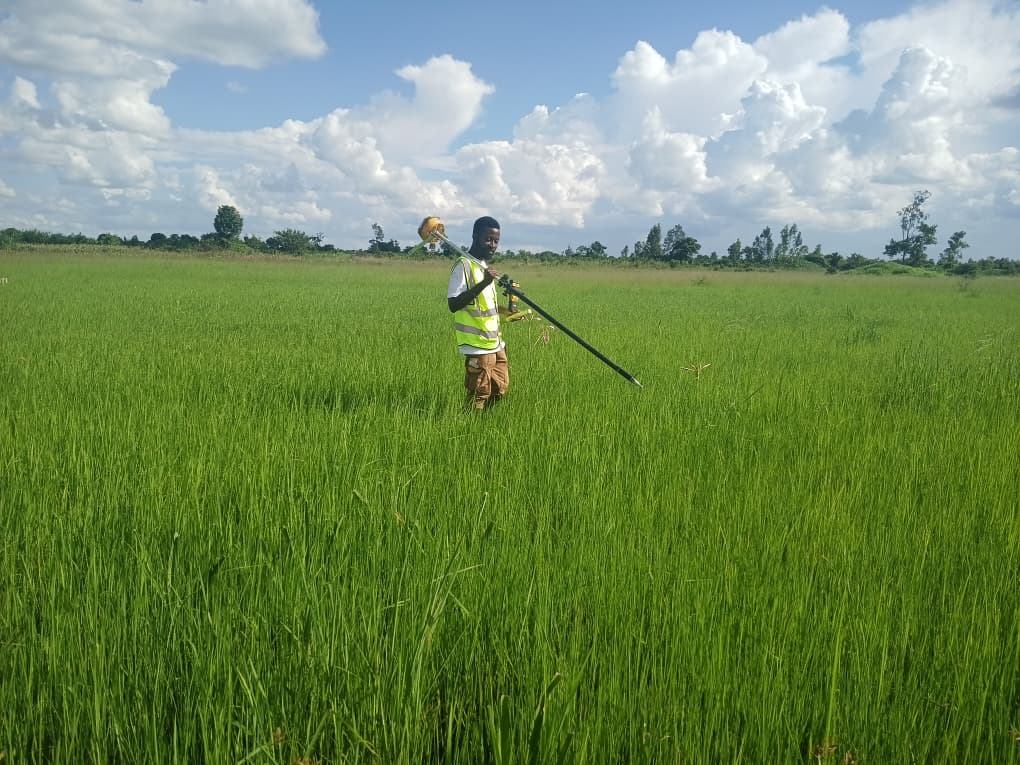
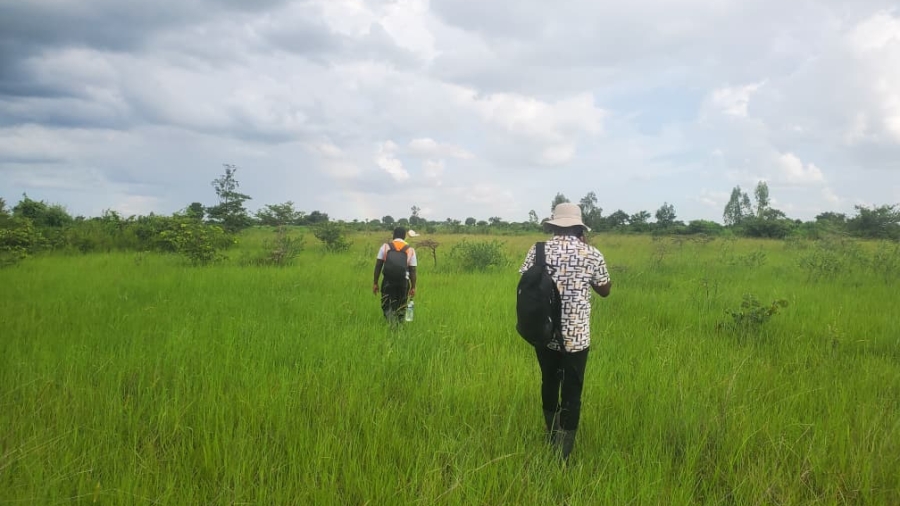
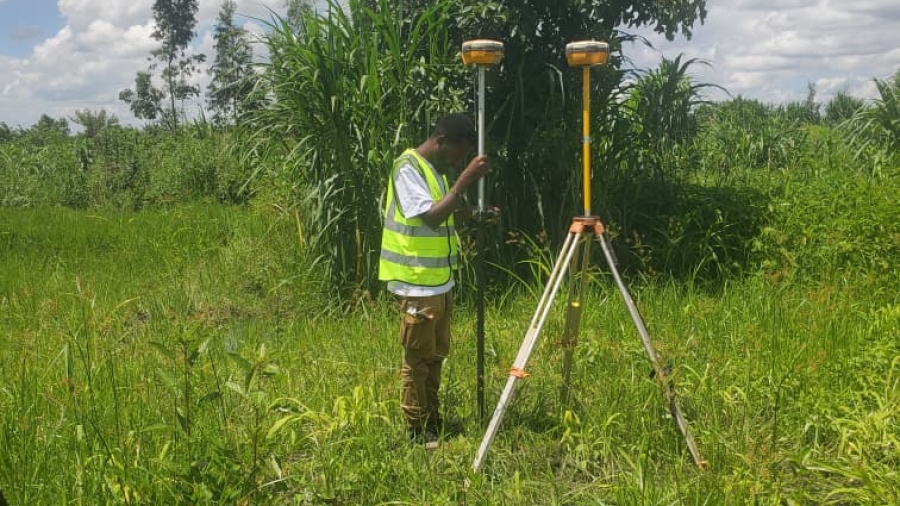
Before installing pumps, laying pipes, or talking about yields, we walked the land with irrigation engineers to understand how water naturally behaves across our farm. Where it flows, where it settles, where it disappears, and where it can be sustainably harvested.

This was not a routine visit. It was a technical assessment grounded in observation, mapping, and long-term thinking.

The land revealed important truths. Parts of the farm depend heavily on rainwater. Other sections sit close to surface-water sources, such as shallow wells and the Bua River. While these sources are visible and tempting, the assessment confirmed that not all water is suitable as a primary irrigation solution. Some sources are seasonal. Others pose sustainability risks if overused.

What became clear is that good irrigation is not about finding water, but managing it intelligently.

The assessment focused on drainage design, water harvesting dams, primary and secondary canals, and how excess rainwater can be controlled rather than wasted. Proper drainage is as important as irrigation. Water that is not guided becomes a problem. Water that is guided becomes an asset.

We also learned that scale matters. The size of land, distance between drains, and flow direction determine whether irrigation systems support productivity or slowly damage the soil. These are decisions that cannot be guessed. They must be engineered.

This process reshaped how we think about farming. Instead of forcing systems onto the land, we are designing systems that work with the land.

At CV Holdings, this assessment marks a shift from seasonal farming to planned production. From reacting to rain to managing water deliberately. From short-term solutions to infrastructure that supports consistency, resilience, and growth.

Before seeds go into the ground, the systems beneath them must be right.

This is how we are building a farm that lasts.

cv holds farm gallery (45)

What Does Giving Back to Labourers Really Look Like?

At CV Holdings, we believe that a farm grows best when the people who work on it grow too. That is why our approach to learning goes beyond routine instructions. We are committed to sharing practical, educational farming content both online and in the field, where real work takes place.

Our workers are the first beneficiaries of this learning culture. Through hands-on demonstrations, simple tools, and real-time coaching, we ensure that every task becomes an opportunity to build skill and confidence. Whether it is land preparation, planting, input application, or harvest handling, we ensure the team understands not only what to do, but also why it matters for productivity and sustainability.

At the same time, we share these lessons online to help new and upcoming farmers learn from our journey. By showing real challenges, real progress, and real methods, we hope to inspire others to adopt better systems, better planning and better agronomic practices.

For us, knowledge is not a side activity. It is the foundation of a strong farm. And every day, we are building a learning environment that lifts our workers, strengthens our systems and contributes to the wider farming community.

IMG-20251202-WA0007

Drainage System Installation

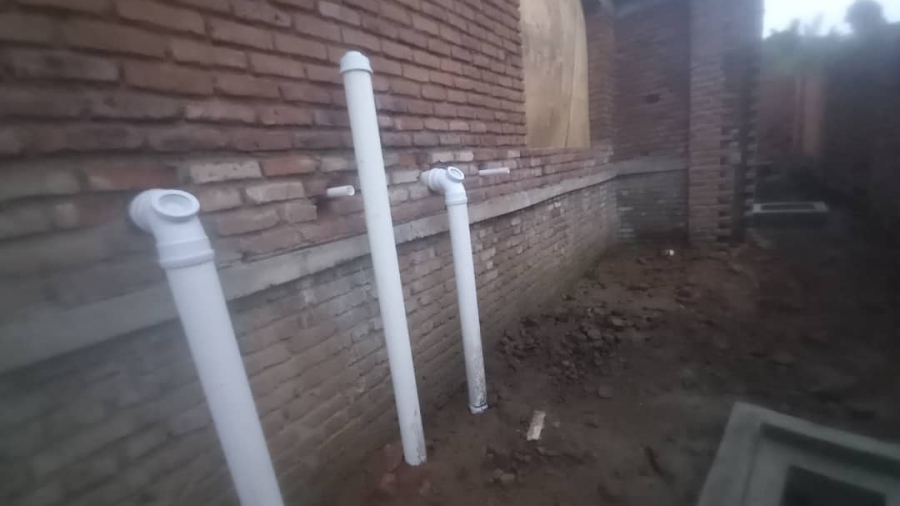
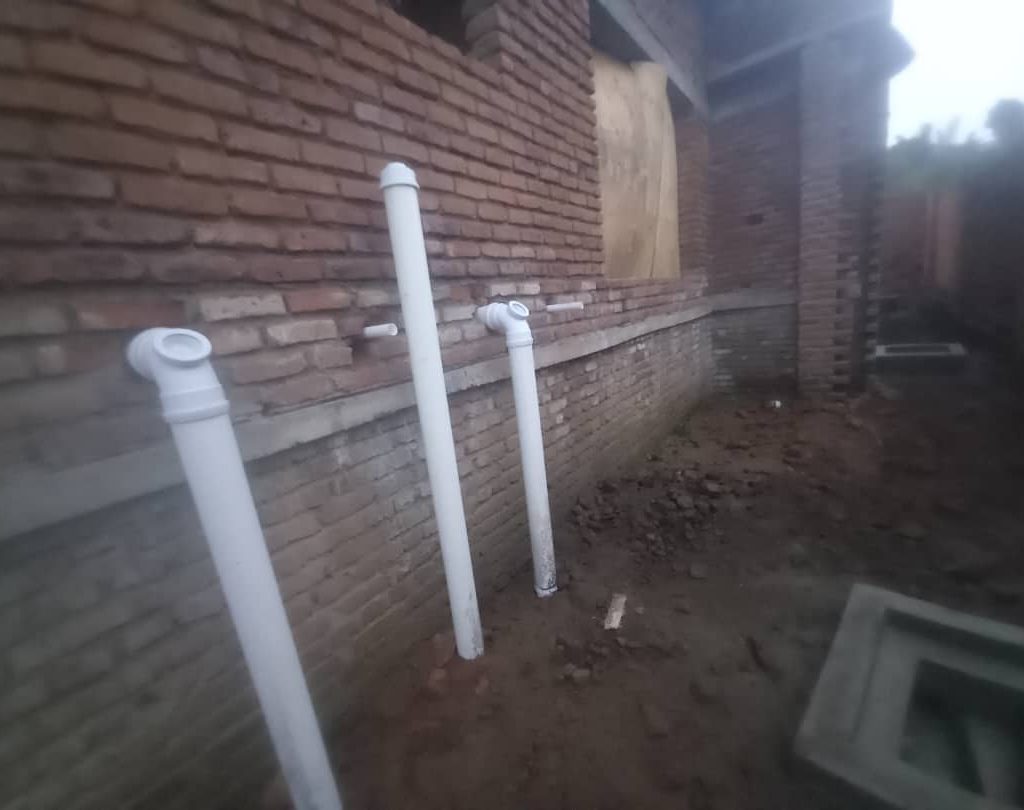
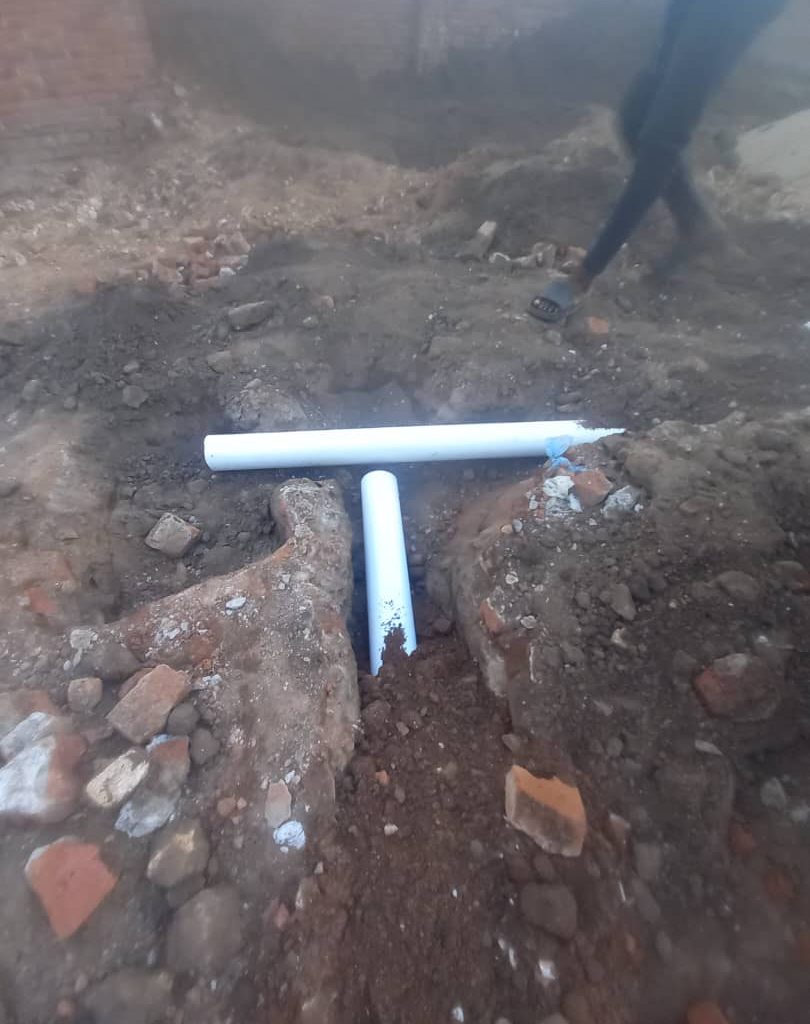
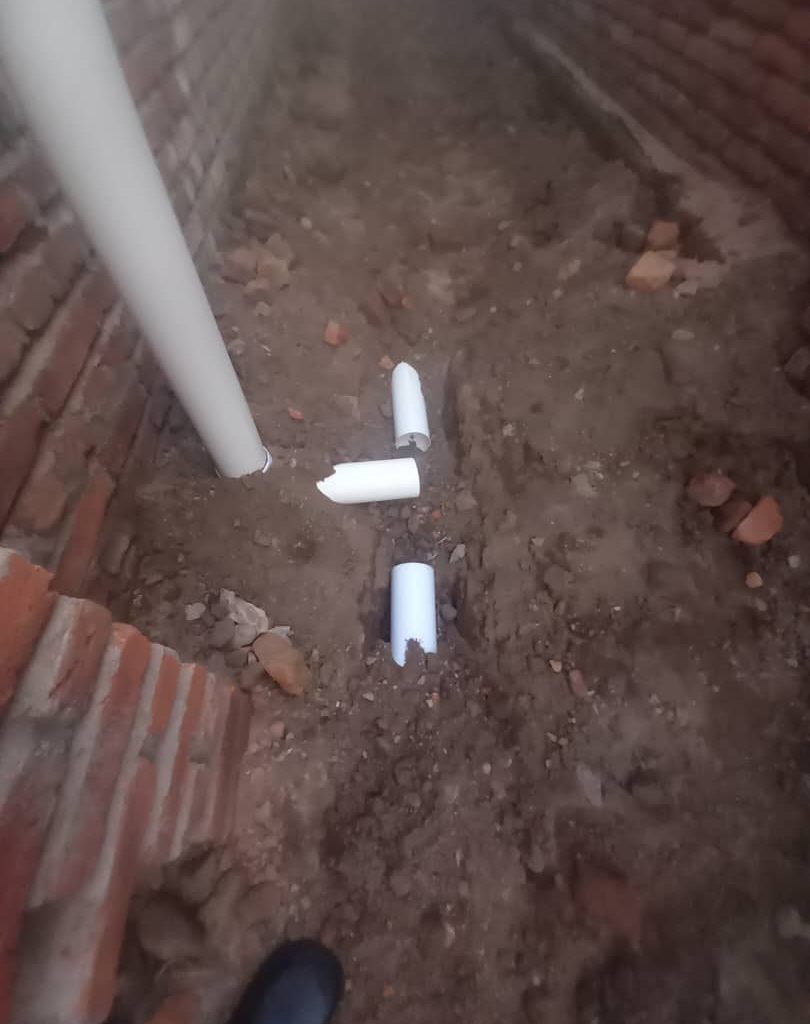
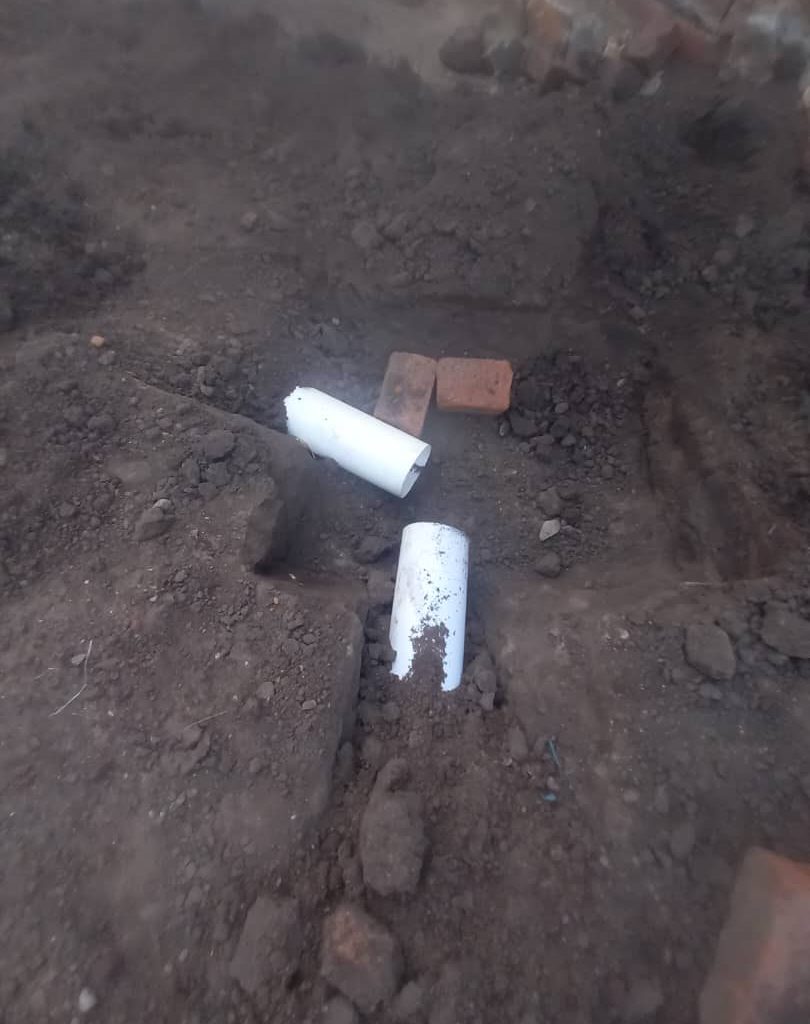
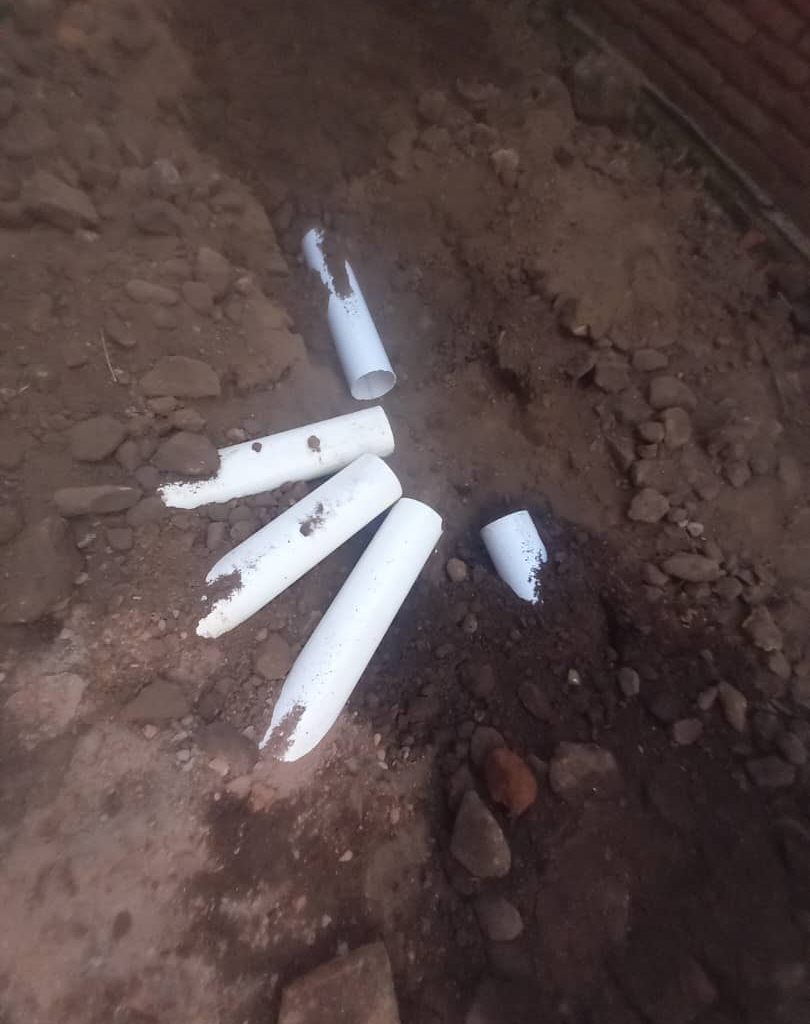
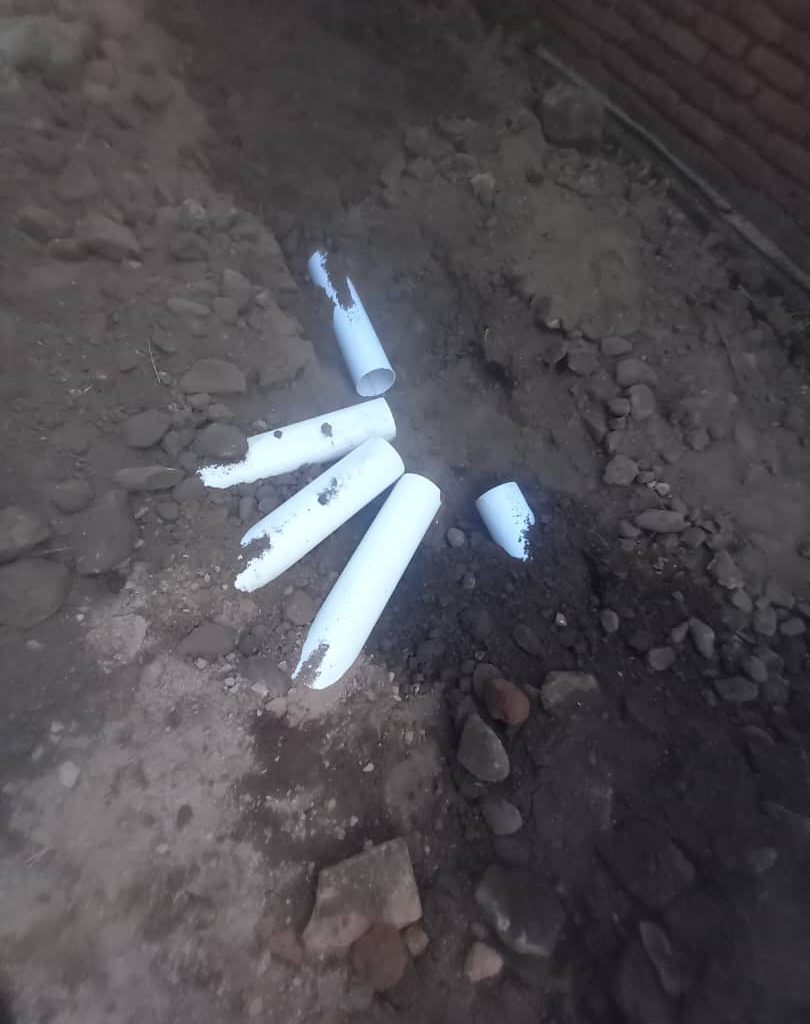
As construction progressed, the team began installing the household drainage system—an important step in ensuring the building has a safe and durable sanitation backbone. One hundred percent of the pipework was completed during this phase.

Space was intentionally left for the main drainage channel after consultations with a technician and site lead to manage long-term safety and avoid potential structural issues near the boundary fence. This phase helped set a strong foundation for efficient water flow and future maintenance.

CV HOLDINGS LIMITED

Window & Door Framing Phase – Chigumula Construction Project

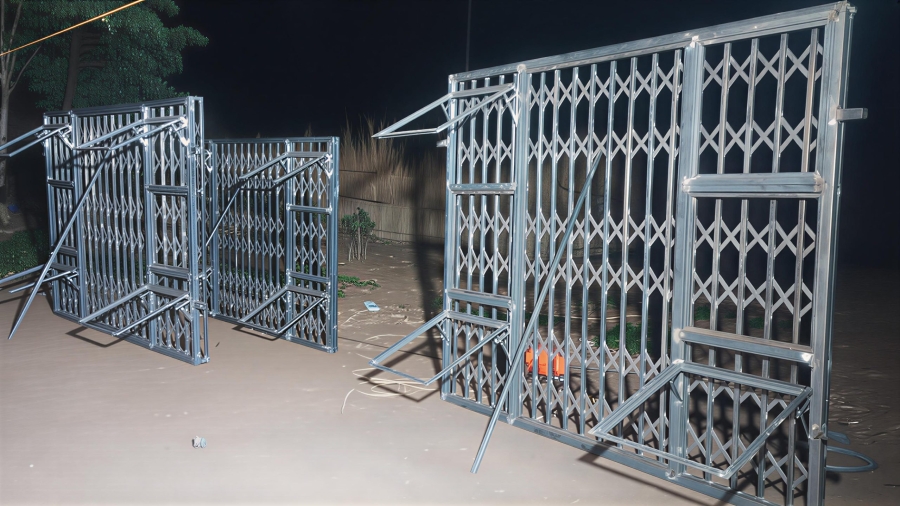
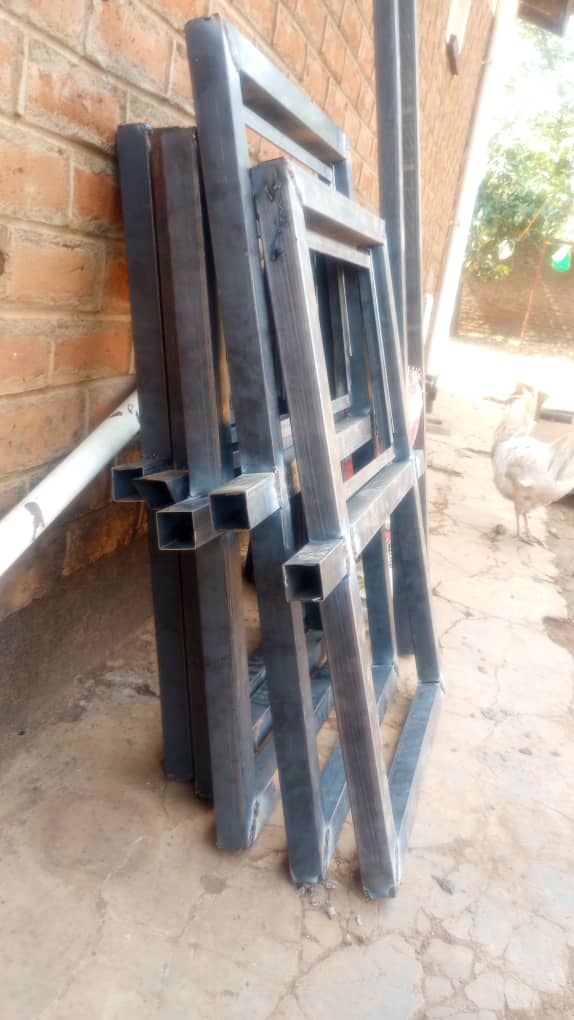
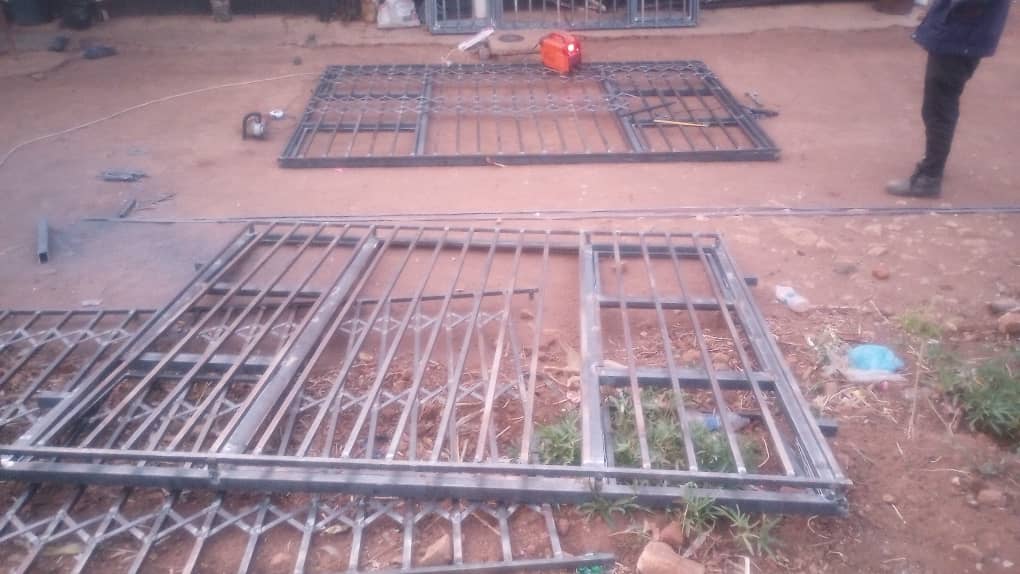
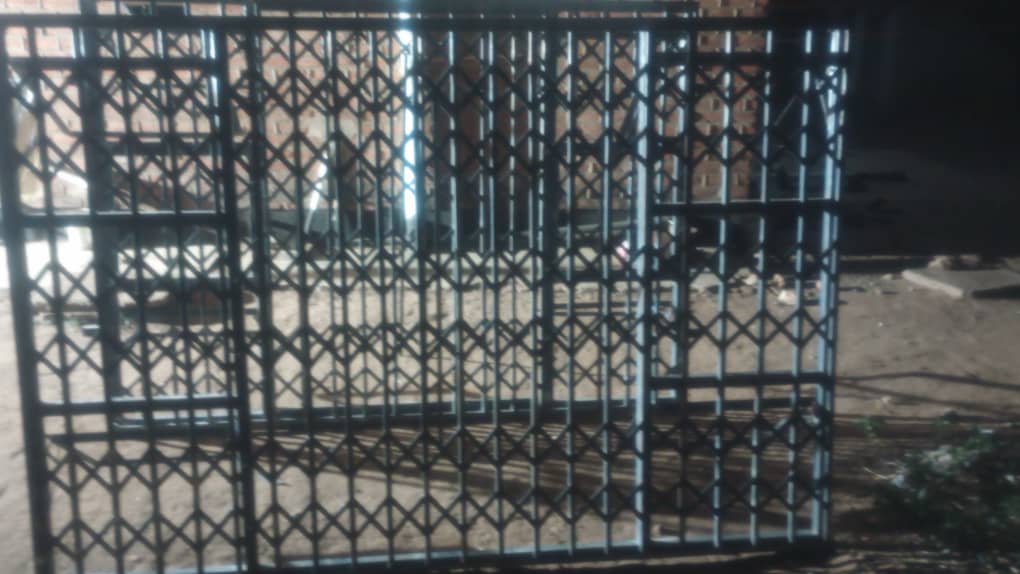
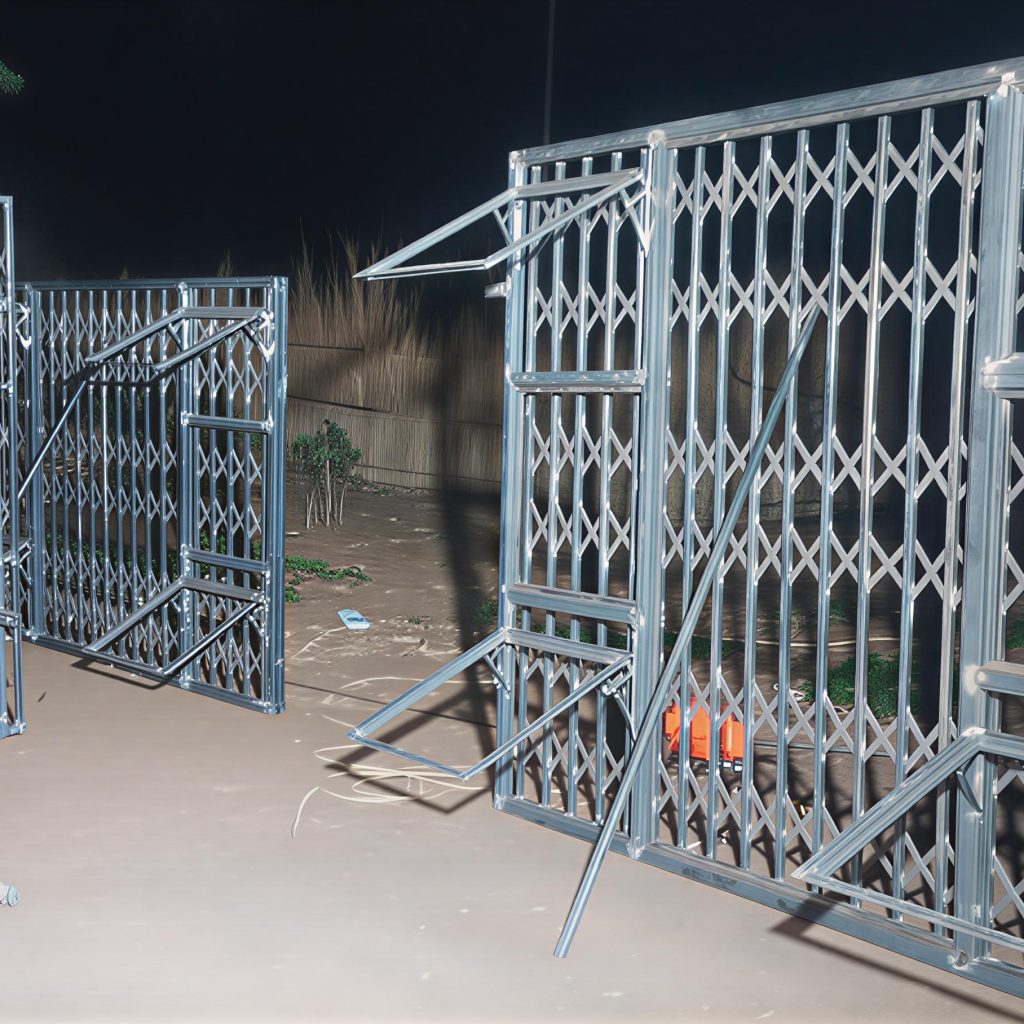
The Chigumula construction project continues to take shape, with steady progress on the window and door framing stage. Over the past weeks, the welding team has been focused on fabricating and installing protectors for all windows, beginning with the largest frames.

Despite occasional delays, mainly due to intermittent load shedding, the team has remained committed to delivering quality workmanship. These electricity interruptions do not occur daily, but when they do, they temporarily slow down production. The team has consistently communicated whenever progress is affected, ensuring transparency throughout the process.

So far, the major milestones include:

  • Completion of framing for all windows as previously shared
  • Installation of protectors on the four largest windows
  • Ongoing work on the remaining protectors, with two medium-sized and three small windows currently in progress
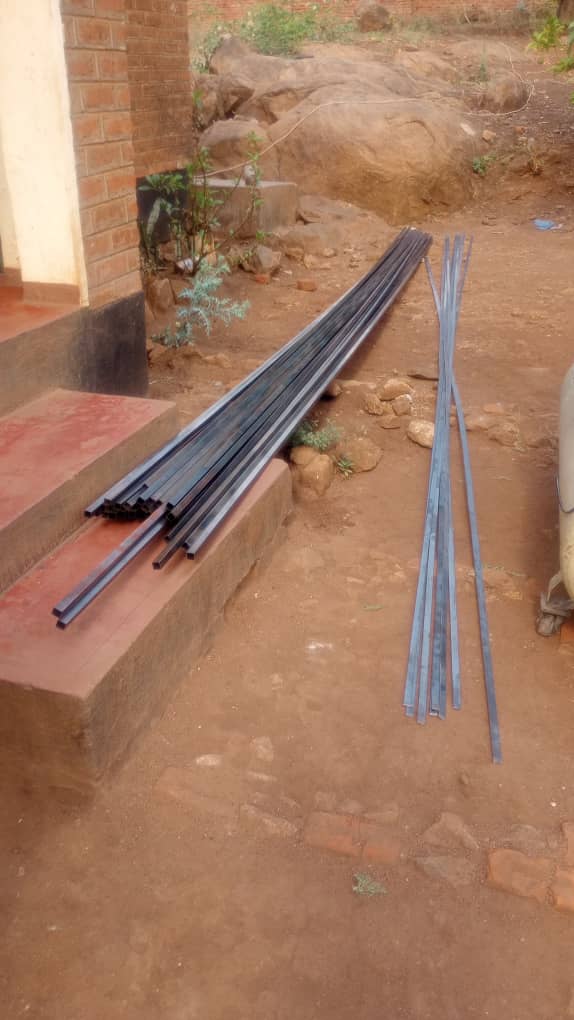
  • Delivery of additional materials, including 20×20 square tubes (30 pieces) and 20x3mm flat bars (10 pieces), to support the next steps
  • Preparation for applying red oxide primer before final paintwork at the end of the project

The coming days may still experience short delays of up to four days due to load shedding, but the team remains dedicated to maintaining high standards and showcasing every stage of progress.

Each update brings the structure closer to its final form, reflecting diligence, coordination and a commitment to quality.

More updates will follow as the framing and welding stage continues.

IMG-20251026-WA0191

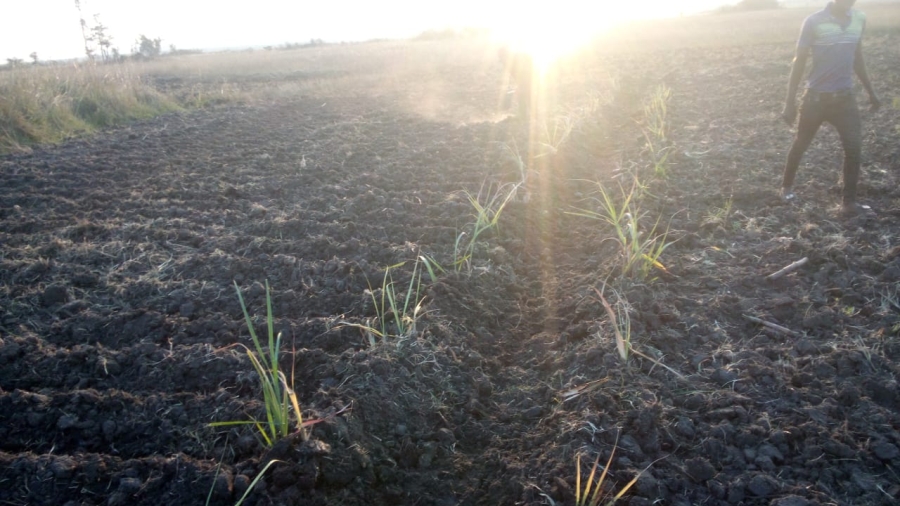
Land Preparation & Foundation

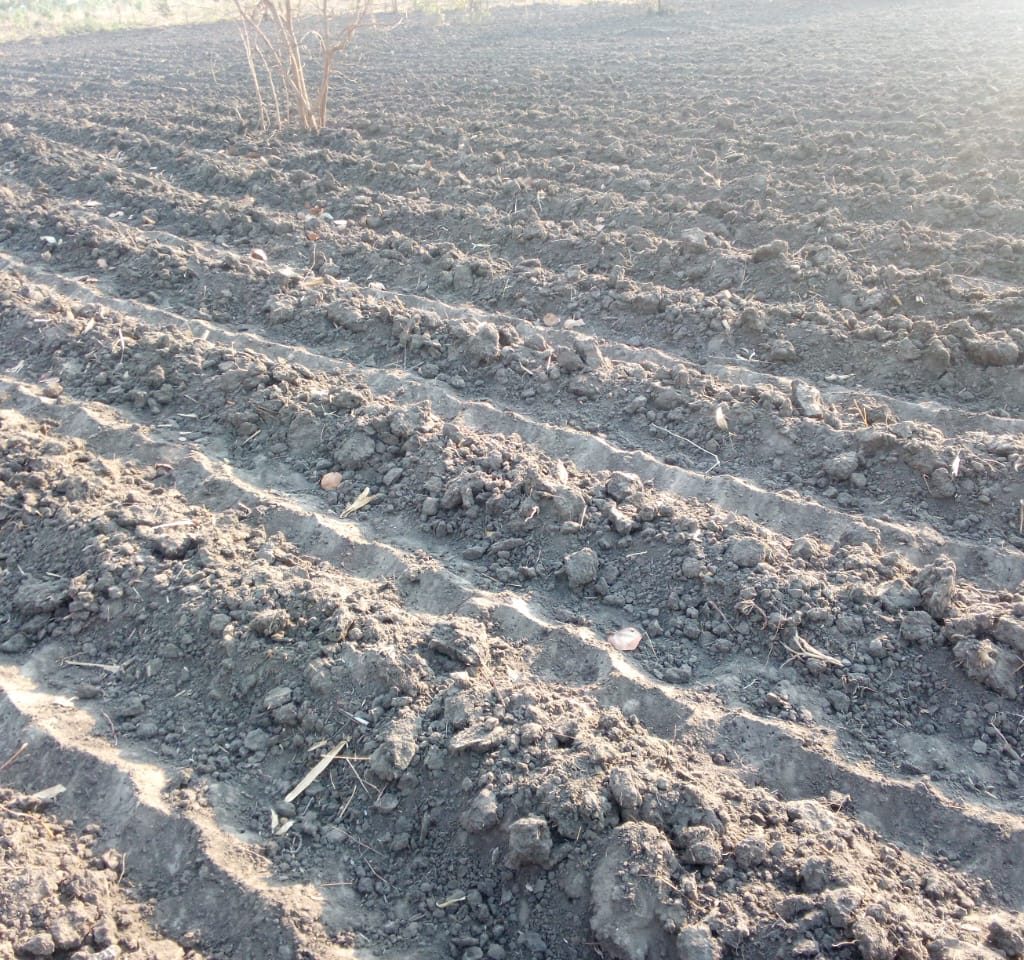
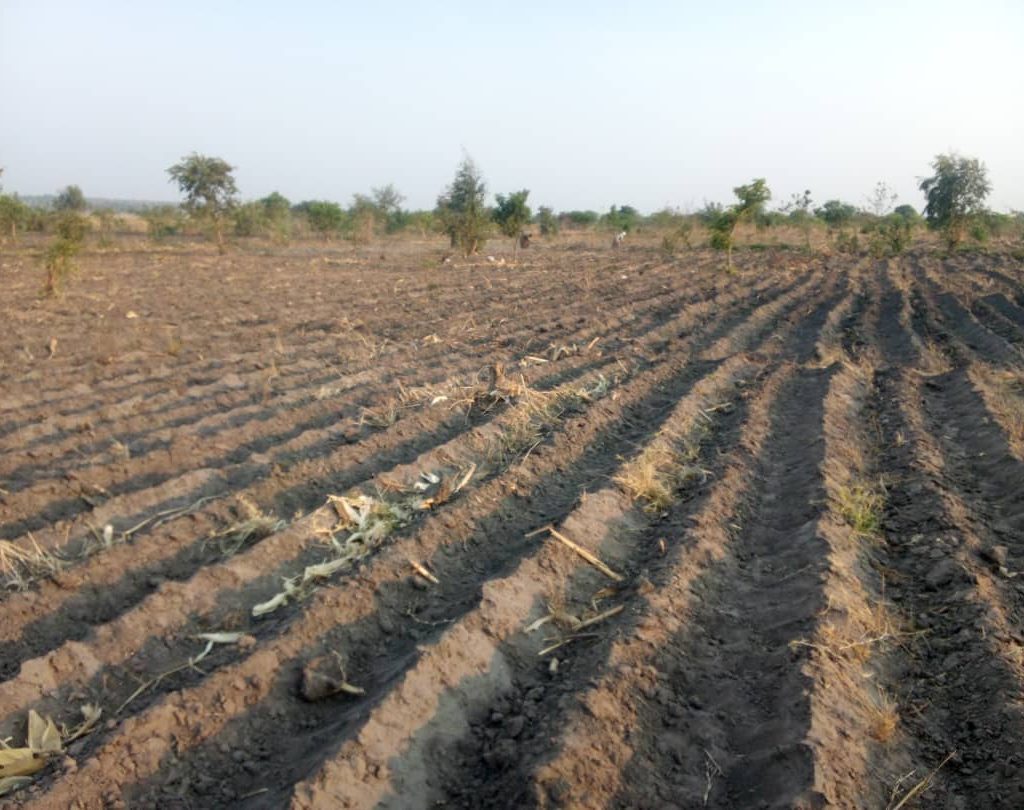
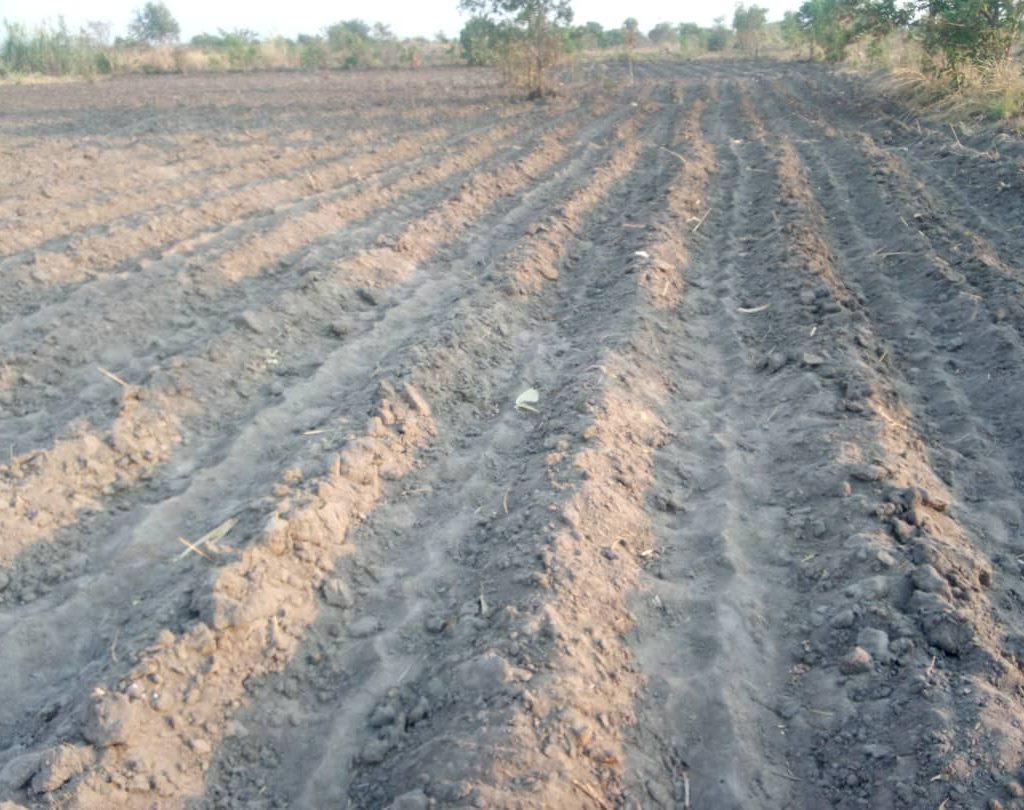
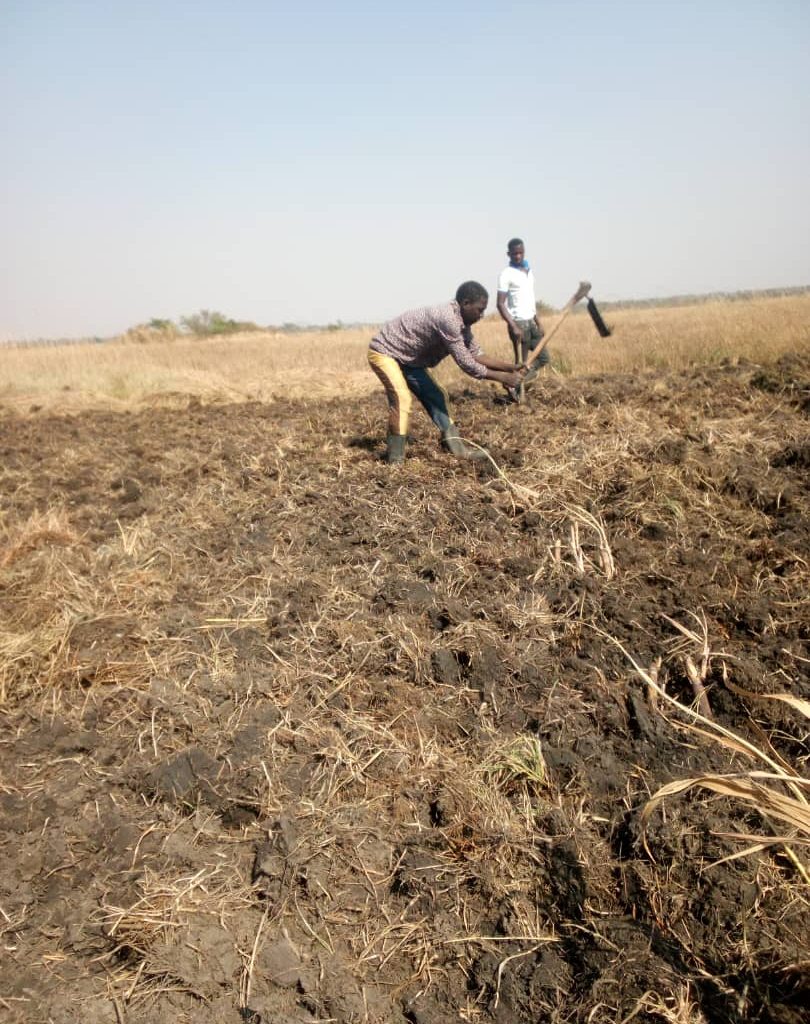
We are excited to announce that the first phase of our rain-fed farming project is now underway! This critical stage transforms the raw, untapped land into a fertile canvas ready to nurture our first crops.

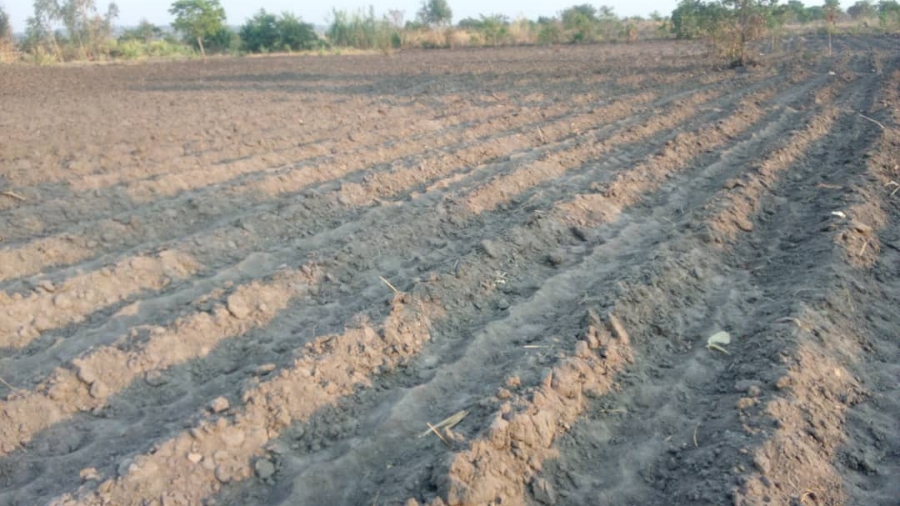
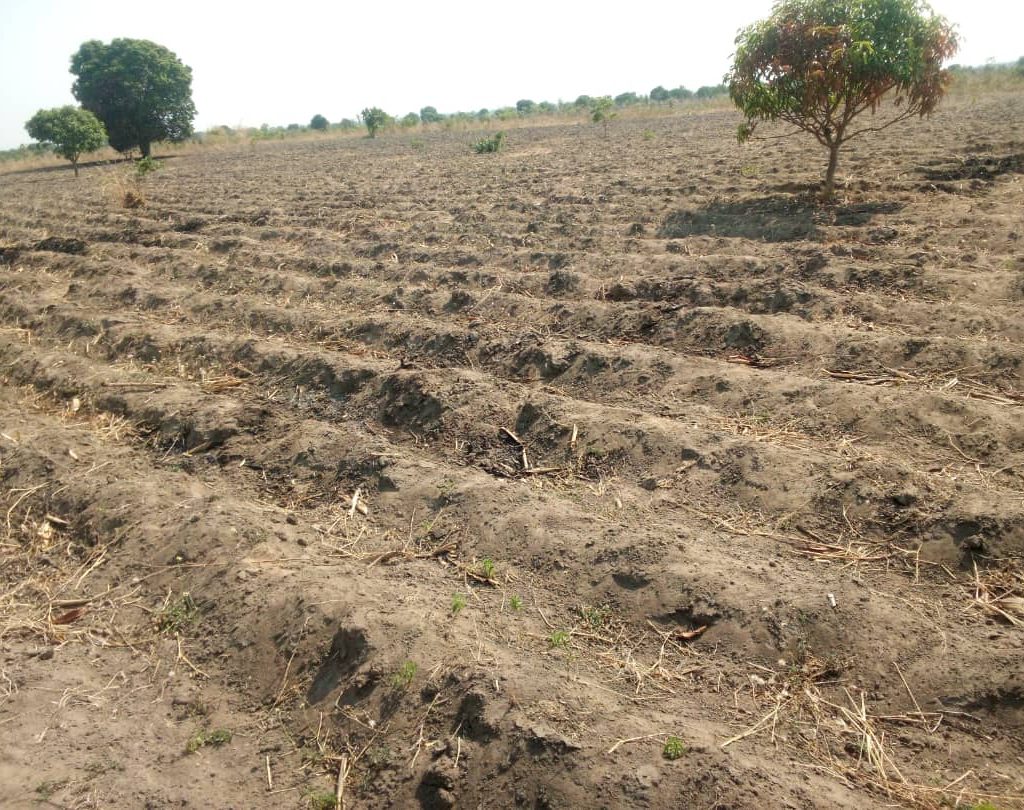
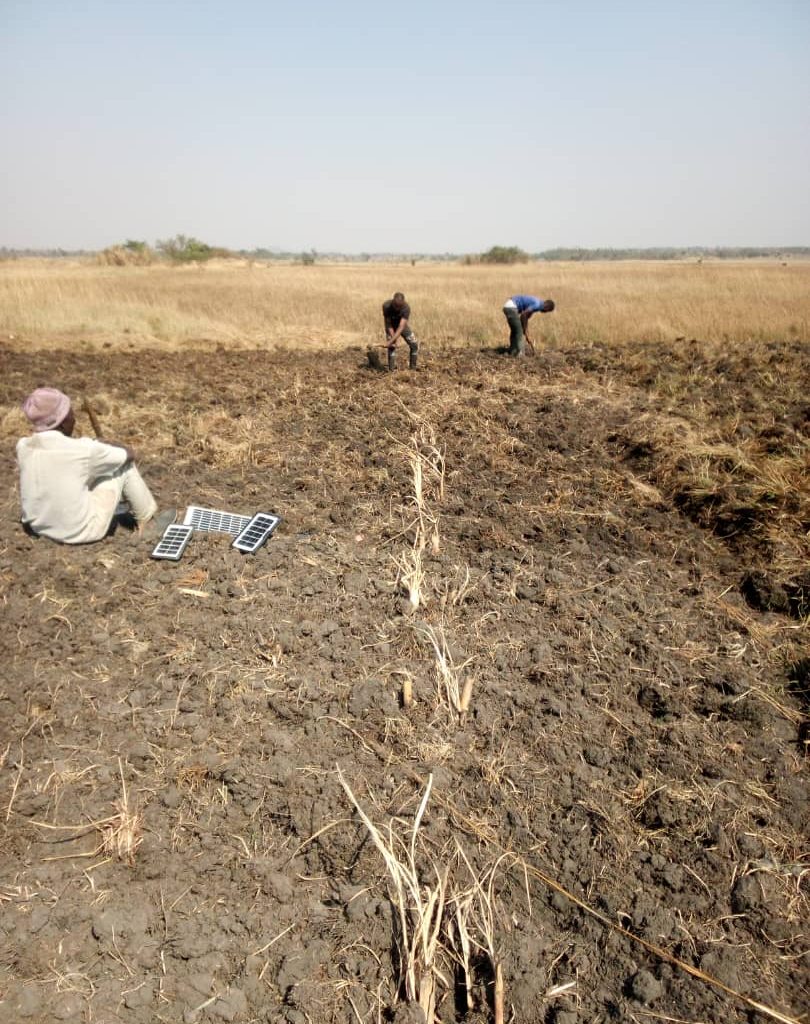
Current Focus: Land Clearing & Ridging

Right now, our team is actively working across the entire area designated for rain-fed agriculture. The focus is on two essential tasks:

  • Land Clearing: We are carefully clearing the land of brush and obstacles, preparing the soil for cultivation. This ensures our crops will have the best possible environment to thrive without competition.
  • Field Ridging: Simultaneously, we are constructing ridges across the field. These raised rows of soil are crucial for optimal water management during the rainy season, helping to control erosion, improve drainage, and maximize moisture retention for our plants.

Why This Phase Matters

This foundational work is the bedrock of our entire rain-fed operation. Proper land preparation directly influences seed germination, root development, and ultimately, the success of our harvest. By investing time and care into these initial steps, we are building a strong, sustainable foundation for the food and growth to come.

What’s Next?

Once land preparation is complete, we will move swiftly into the planting phase, sowing selected, high-quality seeds perfectly suited to our local climate and soil conditions.

Stay tuned for more updates as we progress from groundwork to growth!

IMG-20251026-WA0188

Tomato Transplanting and Beans Planting

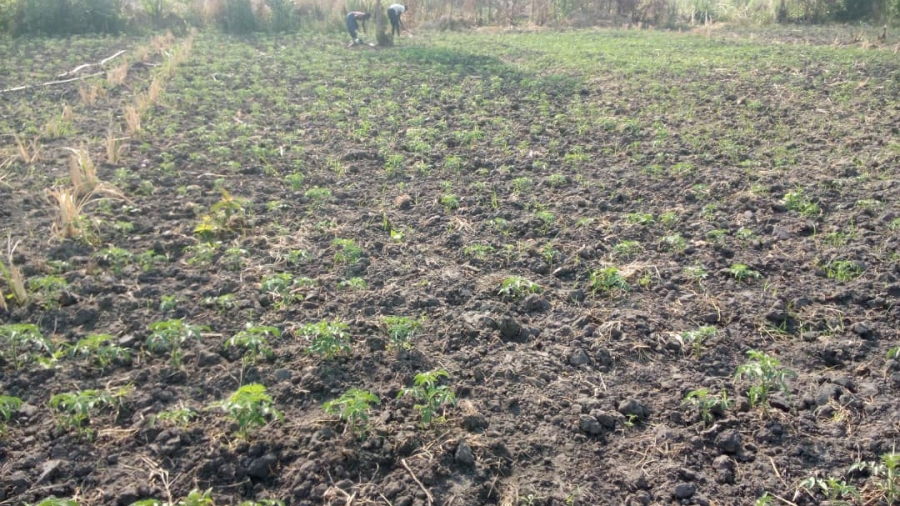
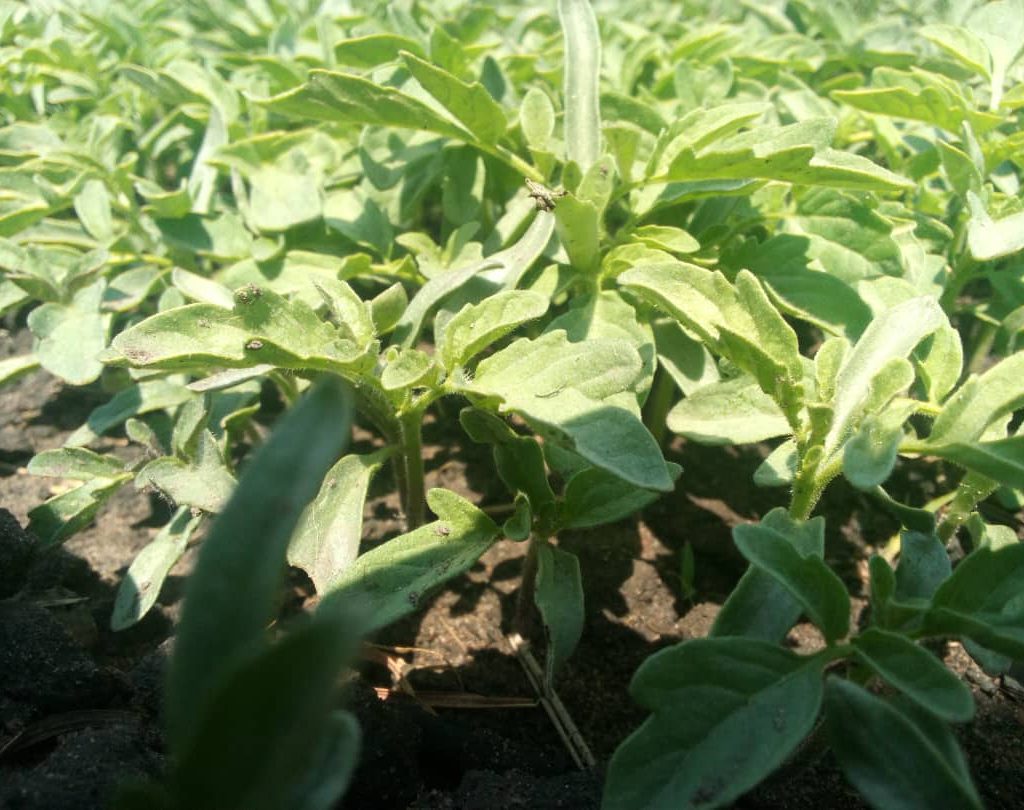
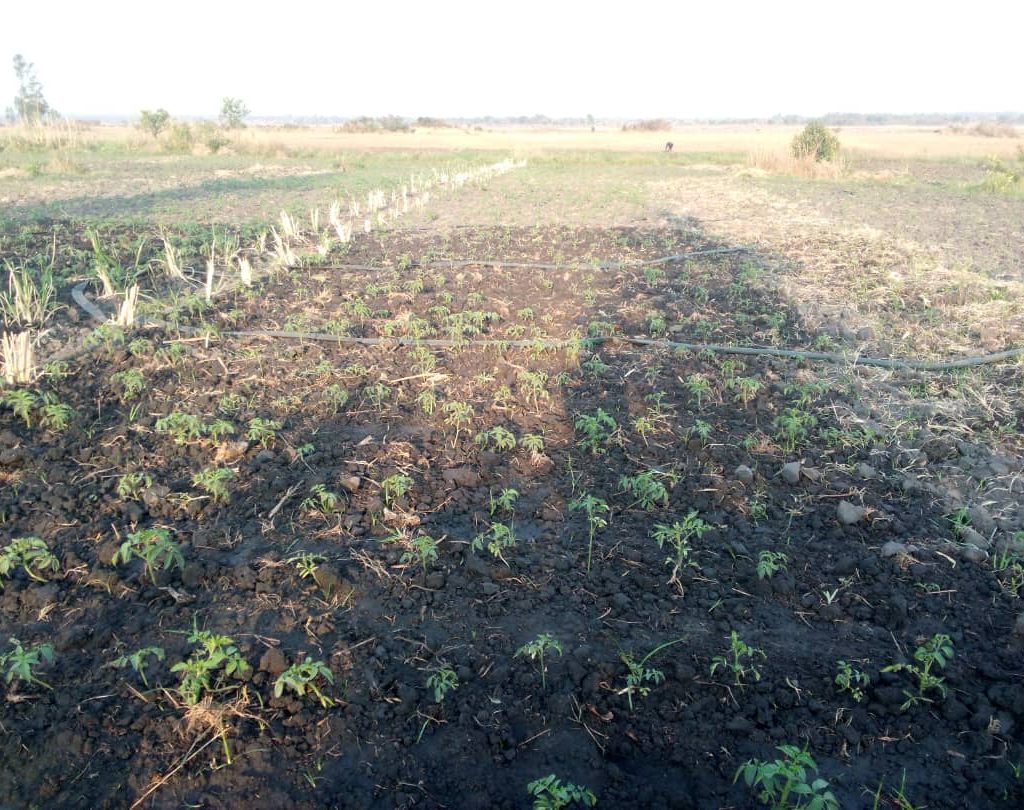
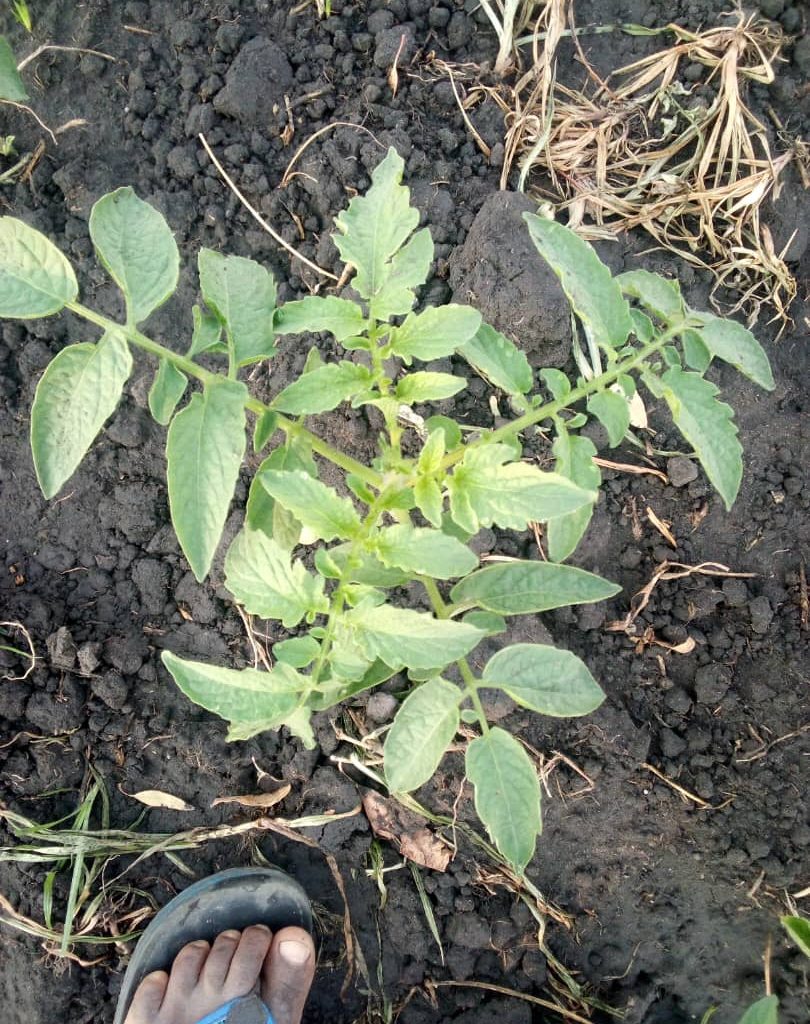
When the tomato seedlings reached the right stage for field establishment, we carefully transplanted them into the main field. Each seedling was spaced to allow proper growth, air circulation, and room for pruning and training. The availability of water from our pump system made this process more efficient, ensuring the seedlings settled quickly and remained healthy during the early days after transplanting.

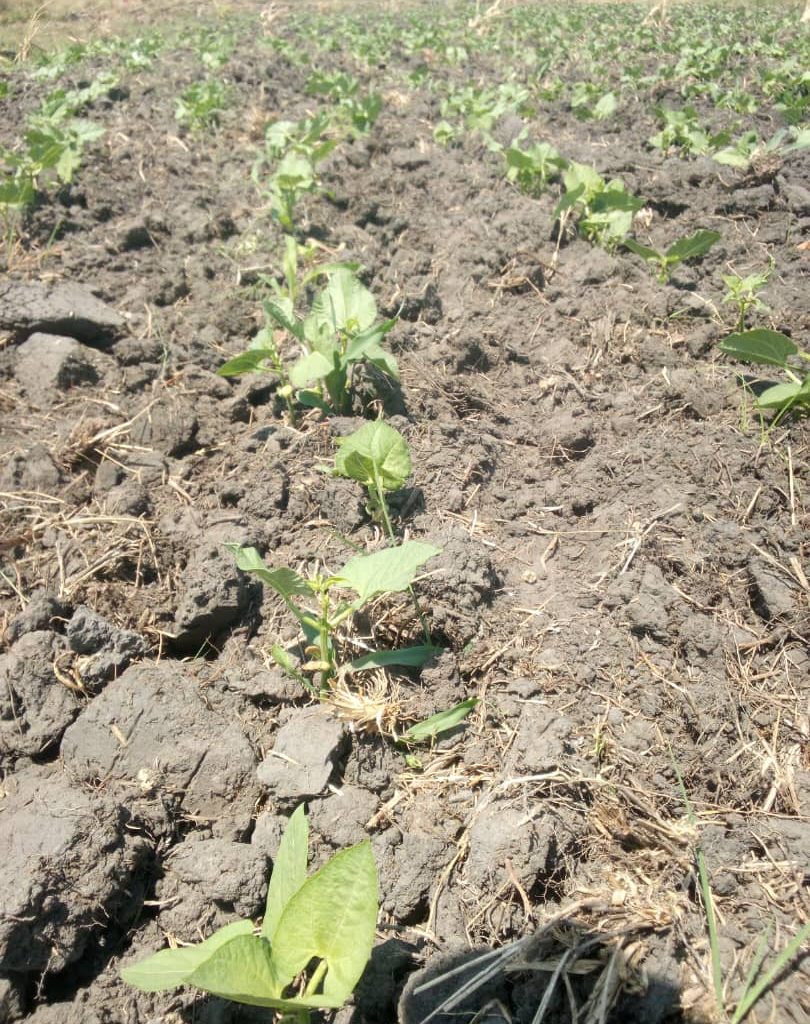
Alongside the tomatoes, we planted the Nua Bean variety, a red bean type well known locally for its good flavour and market value. The beans were planted directly into the field on well-prepared ridges, taking advantage of the moisture and improved soil condition following land preparation.

This planting phase marks a shift from preparation to active crop establishment. With better planning, improved tools, and attentive farm management, we are focused on achieving a stronger and more consistent crop performance this season.

Continue following our farm progress in the timeline below as we move into crop care, irrigation, and growth monitoring.

CV Holdings Limited Farm

The Story Behind Every Ridge

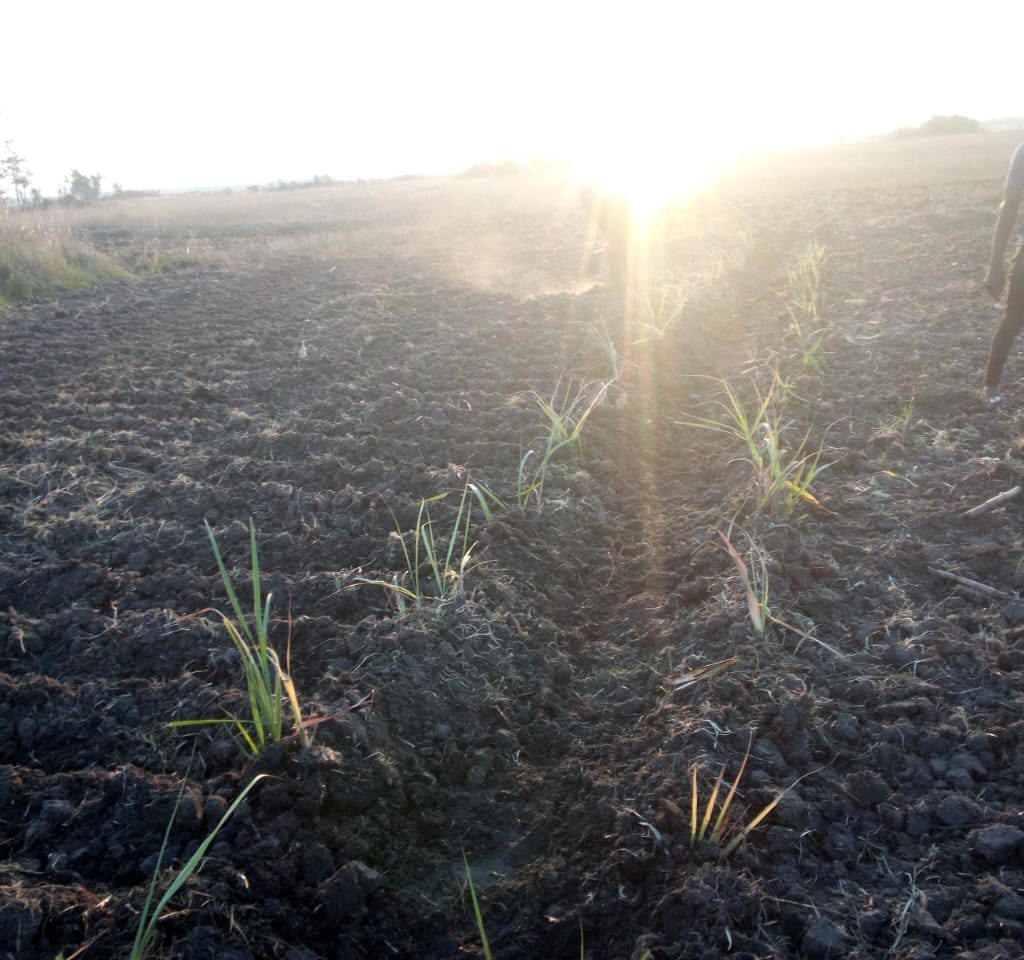
When you stand at the CV Holdings farm in Dowa early in the morning, before the sun fully stretches over the horizon, you hear the quiet language of beginnings. The soft rhythm of hoes hitting the earth, the smell of freshly turned soil, the quiet chatter of hope. This is where growth begins.

Many see a farm as just a place where crops grow. But here at CV Holdings, we see something more. A living classroom of discipline, systems, and dreams. Each ridge formed, each seed planted, carries a silent story of people who believe that structure builds success.

There was a time when the land was untouched, overgrown, uncertain, and waiting. But vision met hard work. We cleared, we planned, and we built systems to manage every part of the journey, from record keeping to input tracking, from soil care to harvest monitoring. Slowly, the land began to respond. The first green leaves broke through, and with them came confidence that this was more than farming; it was transformation.

Today, as we walk between ridges, we don’t just see crops. We see purpose, order, and a future taking shape. Each farm tool, each register, and each plan has a story to tell. Progress is not by chance but by structure and consistency.

So when we say “Growing Prosperity, Driving Innovation,” it’s not just a slogan. It’s our everyday story of hope, order, and the belief that with the right systems, even the smallest seed can grow into something extraordinary.

cv holds farm gallery (43)

Land Ploughing and Nursery Planting

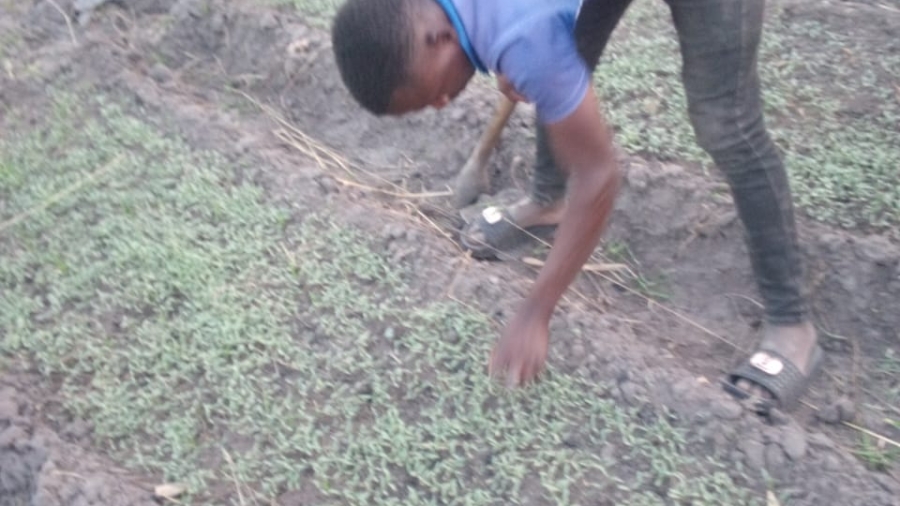
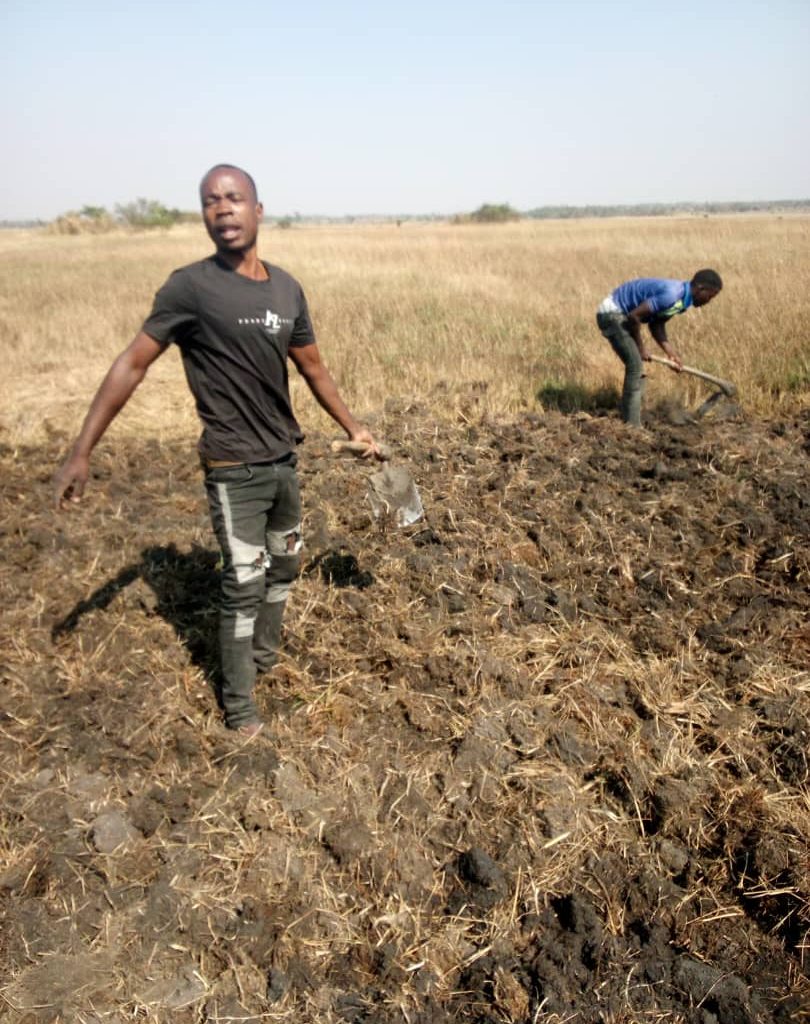
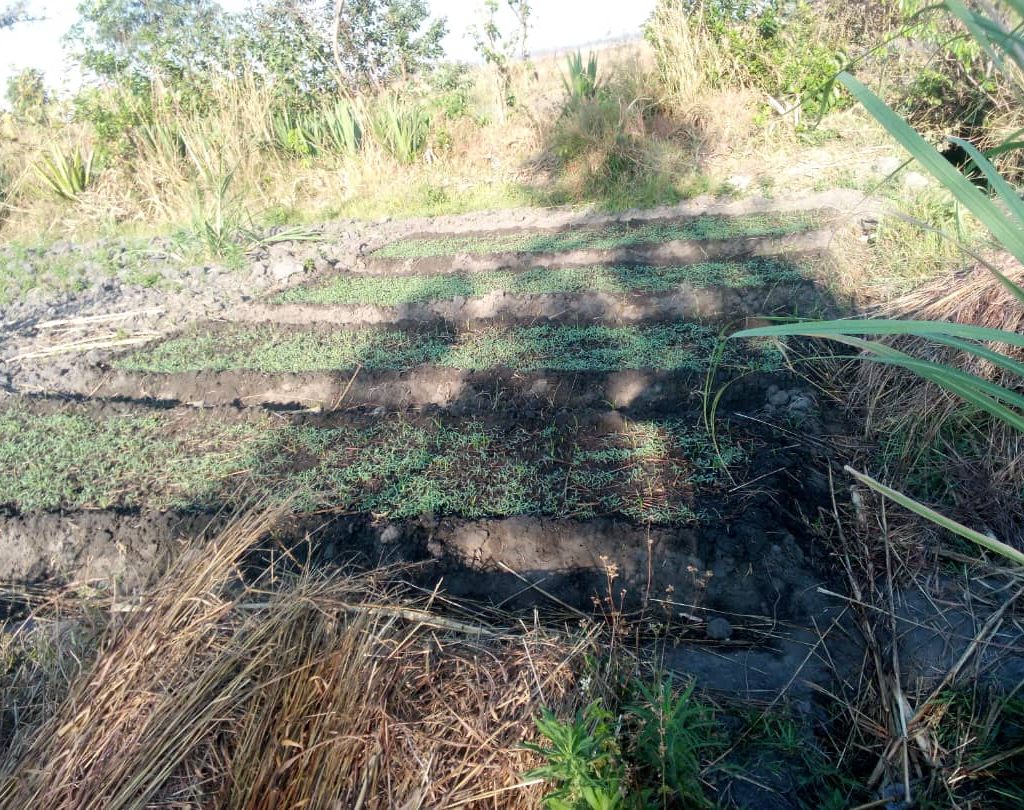
After completing the land clearing, the next stage was ploughing and preparing nursery beds. The ploughing was done systematically to loosen the soil and enhance moisture retention for healthy crop establishment. This preparation was guided by the lessons from the previous season, ensuring the ridges were well aligned for efficient irrigation flow from the water pump system.

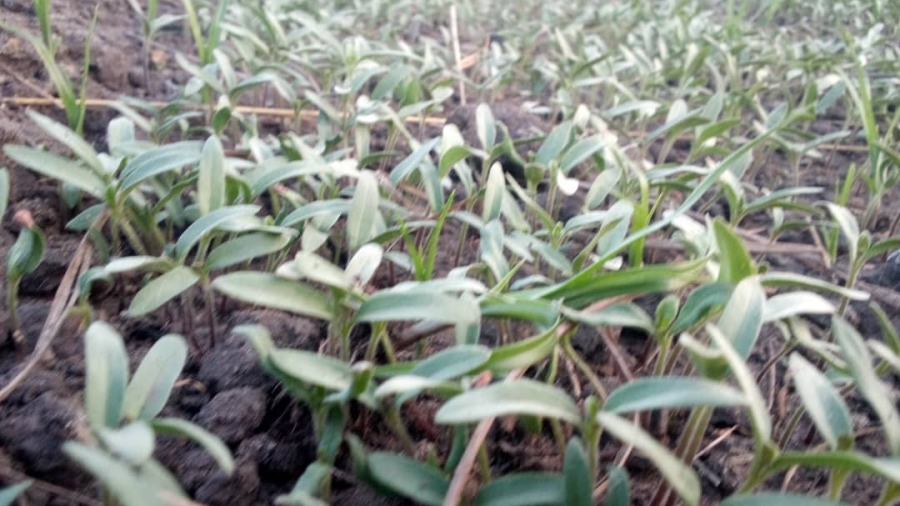
Once the land was ready, we established nursery beds for the Tomato F1 hybrid variety. The nursery process was handled carefully to ensure good germination and strong seedling growth. Proper spacing, shading, and timely watering were maintained to prepare healthy transplants for the main field.

This stage reflects our growing experience and commitment to doing things better each season. With reliable water access and improved management, CV Holdings Farm continues to take steady, confident steps towards productive and sustainable farming.

Follow our timeline below to see how these nursery beds will soon transform into thriving fields of tomatoes and beans.

cv holds farm gallery (3)

Planning Phase to Land Clearing

As we prepared for the 2025 to 2026 growing season, we outlined our crop focus clearly. We selected a Tomato F1 hybrid variety known for vigour, consistency and good market value. Alongside the tomatoes, we planned to grow NUA 45 beans, valued for their rich taste, nutrition and good demand in both local and regional markets.

The planning stage involved reviewing last season’s lessons, mapping the fields to ensure better organisation and preparing labour arrangements for field work. We scheduled the crop areas, estimated input requirements, and ensured that tools for record-keeping, such as the farm activity logbook and input registers, were ready for use from day one.

Land clearing followed as the first on ground task. Old vegetation was slashed, ridges were prepared and the field layout was aligned with the direction of water flow from the pump. We also ensured that pathways for movement and irrigation consistency were easy to manage.

This stage represents more than just preparing soil. It marks the beginning of a more organised and well-recorded farming journey, where every step is guided by planning, accountability and experience from our first season.

Follow our journey below as we continue updating the timeline with real progress from the field.